

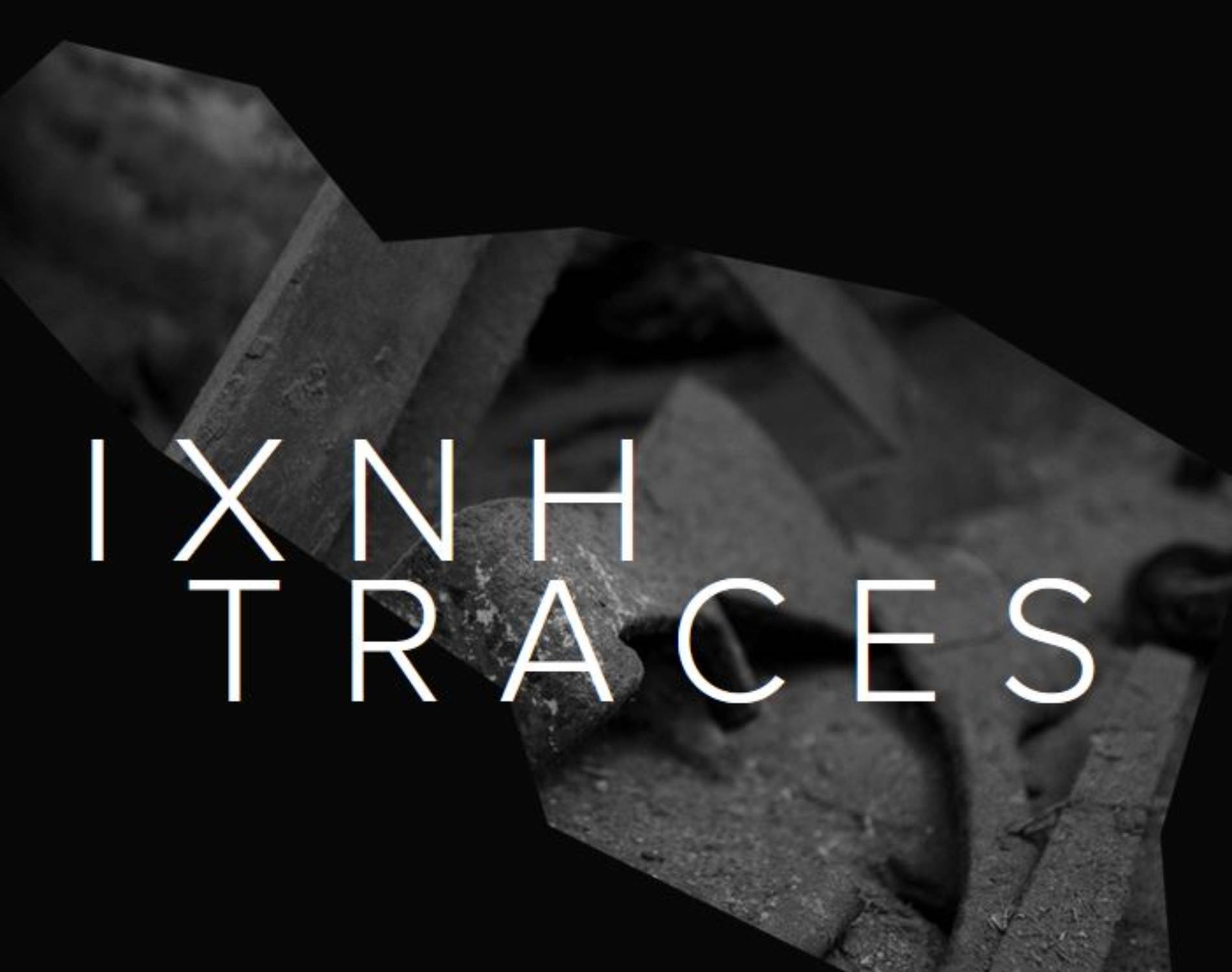
traces project
The project “Traces” highlights nine landmarks in Athens and Tinos, focusing on the architectural, industrial and cultural heritage of Greece, through the use of QR codes. Over time, legendary artisan families appeared on the island of Tinos, such as basket weavers, marble makers, silk weavers and blacksmiths, who created unique traditions. The relationship of these families to the local arts ecosystem, the location of their workshops, the evolution of their expertise, as well as their interaction with their tools and materials, is the central theme of the ‘Traces’ project. Through this project, NOMO AmKe creates a hybrid, alternative cultural route that connects places and spaces through texts, photographs and testimonies of artisans and residents. The first implementation of the project connects nine landmarks, highlighting the architectural and industrial heritage. Among them stands out the course of the Rigos family, an important family of blacksmiths from the village of Ysternia in Tinos, as well as the Alexopoulos family. Craftsmen’s workplaces, tools and objects are connected, creating a rich mosaic of Tinian identity.
First locations: Tinos – Athens
The project traces starting in Tinos and Athens contributes to the cultural narrative of Greece by enriching the national heritage and serves as a model for similar projects that may document other important cultural and craft traditions throughout the country.
Tinos
We begin in Tinos with locations that reveal the path of the Rigos family, whose main axis in its development was the specialization in the art of blacksmithing, but which, through the ability of its members, expanded its field of action geographically and productively through nodes in space, creating an extremely interesting network. Our first locations concern the workshops of family members in Ysternia, Xinara and Pyrgos, and also those who continue the Rigos tradition in blacksmithing including a workshop in Pyrgos which now belongs to the master blacksmith barba Kostas Alexopoulos.
In Tinos we continue with another representative of the Rigos family Athanasis, the damari of Drakos (a damari is a small quarry belonging to a family) and a field in Chora owned by Dimitris Gryparis, a client of barba Kostas.
Athens
In Athens in the future we will follow the transfer of Tinian cultural identity and heritage through architectural and the decorative elements of buildings in Athens starting with works by Andreas Rigos and his collaboration with very important architects in Athens. Through the work of Andreas Rigos we explore the links with marble and the patterns of his origins from an area that traded marble and gave birth to many artists and sculptors on Tinos in areas such as Ysternia and the Exo Meria in general. The impact of his works are seen in the family tradition of metalworking that goes back at least seven generations.
Goals
In the near future NWMW NPO intends to add further QRs in Tinos and Athens.
In summary, NWMW’s “traces” project is a multi-faceted initiative to preserve cultural heritage, educate the public, strengthen cultural tourism while at the same time wanting to inspire local communities. “Traces” is part of NWMW’s multifaceted digital initiative “LINKS,” a sub-project of the Fe26 program.
Bibliography
The research is based on data found among other sources, from interviews conducted by the organization’s team as part of the Fe26 project—“Shaping Memory”—as well as from material collected and produced by the LINKS project team, the books of Florakis A., 2013, “The “gyftika” of Oxo Meria Tinos forges and smithies in the 19th and 20th centuries”, Athens: Fraternity of Tinians in Athens, Karali M., 2002, ” The rural dwellings in Exomeria of Tinos”, Athens: Cultural technological foundation of тне Hellenic bank of industrial development, Collective volume, 1979, Ethnography, Athens: Peloponnesian Folklore Foundation, Florakis A., 2018, “Old quarries and marble splitters of Tinos” Athens: Piraeus Bank Group Cultural Foundation (PIOP), Collective volume, 2009 “Tetradia Exomerias” Athens: edited by Kostas Danousis, Collective volume, 2009 “Memoirs of Panormos” Athens: edited by Kostas Danousis, Collective volume, 2024 “Navigare necesse est honor to Kostas Danousis”, Athens: Fraternity of Tinians in Athens, in exhortations and directions of Dr Florakis and Mr Danousis, in other essays such as those of Iakovos Rigos.